How I Grew Healthier Hair by Moving More — A Real Long-Term Journey
For years, I thought hair care was all about shampoos and serums—until I noticed real change came not from bottles, but from my daily routine. Turns out, how you move your body deeply affects your hair’s strength and growth over time. This isn’t a quick fix, but a lasting shift. Here’s what actually worked for me: a simple, science-backed exercise plan that supports hair health from the inside out.
The Hair Problem No One Talks About
Many people struggle with thinning, brittle, or slow-growing hair, often blaming genetics or the quality of their shampoo. For a long time, I did too. I carefully selected sulfate-free cleansers, invested in expensive serums, and avoided heat styling—yet my hair continued to break and fall out. I’d find strands on my brush, on my pillow, in the shower drain, and no product seemed to stop it. It wasn’t until I began paying attention to my internal health that I started seeing a real difference. The truth is, hair condition is less about what you put on it and more about what’s happening beneath the surface.
The scalp is an ecosystem, and your hair follicles depend on a steady supply of nutrients, oxygen, and balanced hormones to function properly. When circulation is poor, when stress hormones run high, or when sleep is inconsistent, the hair growth cycle can be disrupted. Hair may enter the shedding phase prematurely or struggle to grow back at full strength. These internal imbalances are often overlooked because they don’t show up immediately. Instead, they accumulate quietly, leading to changes that feel sudden but have been building for months—or even years.
I began to realize that my mostly sedentary lifestyle might be contributing to the problem. I worked long hours at a desk, rarely moved beyond short walks, and often felt tired by mid-afternoon. My body wasn’t getting the stimulation it needed to support regeneration. Once I shifted my focus from external treatments to internal wellness, I started to see progress. The hair I had wasn’t just surviving—it was thriving. This journey taught me that lasting hair health begins with the body, not the bathroom cabinet.
Why Movement Matters for Hair (The Science Simplified)
Blood circulation is one of the most important, yet underrated, factors in hair health. Think of your scalp as a garden—the roots of your hair are like plants that need water, sunlight, and nutrients to grow. Without proper blood flow, those roots become starved, and growth slows. Exercise improves circulation throughout the body, including the scalp, ensuring that oxygen and essential nutrients like iron, zinc, and vitamins reach the hair follicles more efficiently.
When you engage in physical activity, your heart pumps faster, and your blood vessels dilate. This increased flow carries growth-supporting compounds directly to the scalp. At the same time, exercise helps remove waste products and reduce inflammation, which can otherwise impair follicle function. A 2017 study published in the journal *Dermatology and Therapy* found that individuals who engaged in regular moderate exercise showed improved hair density and reduced shedding over time, likely due to enhanced microcirculation.
Another key factor is hormonal balance. Chronic stress elevates cortisol, a hormone that, in excess, has been linked to hair thinning and conditions like telogen effluvium, where hair enters a resting phase and falls out prematurely. Regular movement helps regulate cortisol levels by promoting the release of endorphins and improving sleep quality. Over time, this creates a more stable hormonal environment, which supports a healthy hair cycle. It’s not about intense workouts or marathon training—consistency is what matters most. Even light activity, when done regularly, can have a meaningful impact.
Additionally, exercise supports overall metabolic health. Insulin sensitivity, blood sugar regulation, and healthy inflammation levels—all influenced by physical activity—are linked to stronger hair. When your body operates more efficiently, every system benefits, including your skin and scalp. Movement isn’t a miracle cure, but it’s a foundational piece of the puzzle. By improving internal conditions, you create the environment your hair needs to grow stronger, shinier, and more resilient over time.
My Turning Point: When I Linked Fitness to Hair Growth
I didn’t start exercising to improve my hair. I started because I felt sluggish and wanted more energy. At first, I committed to just 15 minutes of walking each day, usually after dinner. It wasn’t much, but it was something. After two weeks, I noticed I was sleeping better. After four, I had more stamina. And then, one morning while brushing my hair, I realized I wasn’t finding as many broken strands as usual. My hair felt thicker, and there was a subtle shine I hadn’t seen in years.
That small observation sparked my curiosity. I began researching the connection between physical activity and hair health and discovered a growing body of evidence supporting what I was experiencing. Studies showed that low-impact, consistent exercise could support scalp circulation, reduce stress, and improve overall vitality—all of which contribute to healthier hair. I decided to experiment further, gradually increasing my movement and tracking how my hair responded.
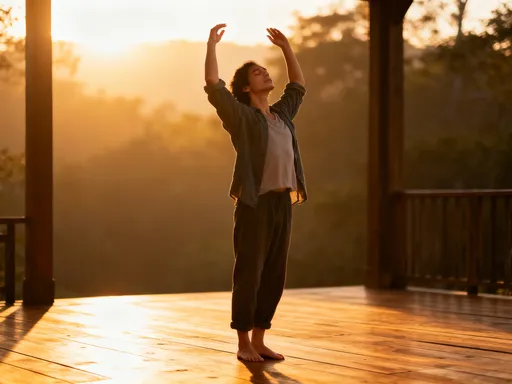
I introduced yoga twice a week, focusing on poses that gently inverted the body, like downward dog and child’s pose. These positions encourage blood flow to the scalp without strain. I also added light resistance training using bodyweight exercises—squats, lunges, and push-ups—three times a week. I wasn’t aiming for muscle gain; I wanted to build strength and endurance in a sustainable way. Within three months, I began noticing new growth along my hairline, especially at the temples. My scalp felt less tight, and my part appeared narrower. These changes weren’t dramatic overnight, but they were consistent and encouraging.
The most important lesson I learned was patience. Hair grows slowly—about half an inch per month on average. Any improvement takes time to become visible. But by staying consistent, I gave my body the support it needed to renew and repair. I stopped seeing exercise as just a way to stay fit and started viewing it as a form of self-care that nurtured every part of me, including my hair. That shift in mindset made all the difference.
The Simple Routine That Made a Difference
I built a routine that was realistic and sustainable. My goal wasn’t to become an athlete but to move my body regularly in ways that felt good and supported my health. I committed to 30 minutes of movement five days a week. On most days, this meant a brisk walk in the neighborhood or a local park. I made it a habit to walk during phone calls or after meals, turning it into a natural part of my day rather than a chore.
Twice a week, I replaced walking with a 30-minute yoga session. I followed beginner-friendly routines that included gentle stretching, breathing exercises, and scalp-stimulating poses. Downward dog, in particular, became a favorite. Holding the pose for a few breaths allowed blood to flow toward my head, and I often ended my sessions with a light scalp massage using my fingertips. I didn’t use oils or tools—just gentle pressure in circular motions to further stimulate circulation.
On three non-consecutive days, I added light resistance training. I used no equipment—just my body weight. My routine included 10 squats, 10 lunges per leg, 10 modified push-ups (on my knees), and a 30-second plank. I repeated the circuit twice, resting between sets. It took less than 20 minutes, but I could feel my heart rate rise and my muscles engage. Over time, I noticed not only stronger hair but also improved posture, better digestion, and increased energy throughout the day.
The real secret wasn’t the type of exercise but the consistency. Even on days when I felt tired or unmotivated, I showed up. Sometimes, that meant just five minutes of stretching or a short walk around the block. The act of moving, no matter how small, sent a signal to my body that I was prioritizing my health. And over time, my hair responded. I stopped expecting overnight results and started appreciating the gradual changes—less shedding, more shine, and eventually, visible length. This routine didn’t require a gym membership, expensive gear, or hours of time. It required only commitment and patience.
Beyond Exercise: Supporting Habits That Helped
While movement was the foundation, I quickly realized it wasn’t the only factor. Other lifestyle habits played a supporting role in my hair’s improvement. One of the most impactful changes was prioritizing sleep. I made a conscious effort to go to bed and wake up at consistent times, aiming for seven to eight hours each night. I turned off screens an hour before bed and created a calming evening routine with herbal tea and light reading.
Sleep is when the body repairs itself—including hair follicles. During deep sleep, growth hormone is released, and cellular regeneration peaks. Without adequate rest, the body can’t perform these essential maintenance tasks effectively. I noticed that on nights I slept poorly, my hair felt duller the next day. Once I improved my sleep hygiene, my energy levels stabilized, and my hair began to reflect that inner balance.
Hydration also made a difference. I started carrying a reusable water bottle and made it a goal to drink at least eight glasses a day. Water supports every bodily function, including the delivery of nutrients to the scalp and the removal of toxins. Dehydration can make hair look flat and brittle, so staying well-hydrated helped maintain volume and elasticity. I also reduced my intake of sugary drinks and limited caffeine after noon to avoid disrupting my sleep.
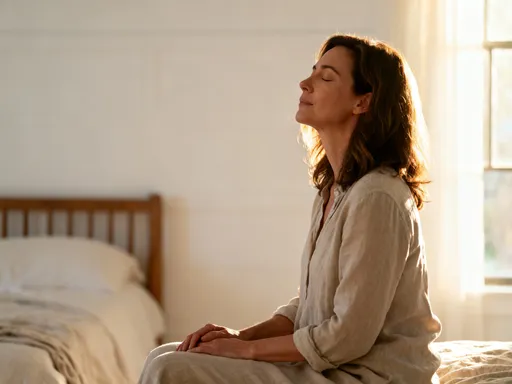
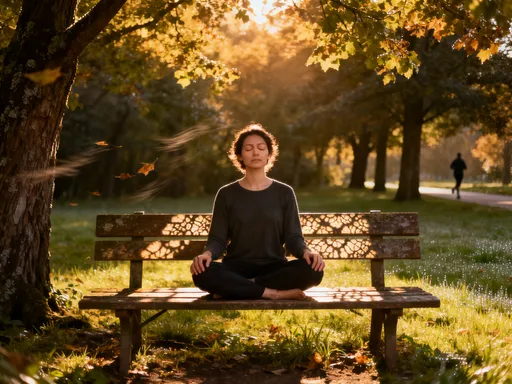
Stress management became another key piece. While exercise helped lower cortisol, I added mindfulness practices like deep breathing and journaling. I set aside five minutes each morning to sit quietly, focus on my breath, and set a positive intention for the day. These small moments of stillness helped me stay grounded, especially during busy or overwhelming times. Over time, I felt calmer, more centered, and less reactive to daily stressors. That inner peace showed up in my hair—less breakage, more resilience.
I also stopped over-washing my hair. I switched to washing every other day instead of daily, which helped preserve the scalp’s natural oils. I used lukewarm water instead of hot, as high temperatures can strip moisture. After workouts, I rinsed my scalp with cool water to close the hair cuticles and boost shine. These small adjustments, combined with regular movement, created a holistic approach to hair wellness that felt sustainable and nurturing.
What Science Says: Long-Term Benefits of Activity on Hair
Scientific research continues to support the connection between physical activity and hair health. A 2020 review in the *International Journal of Trichology* highlighted that regular exercise improves scalp microcirculation, reduces oxidative stress, and enhances overall metabolic function—all of which contribute to a healthier hair growth environment. While no study claims that exercise alone can reverse genetic hair loss, the evidence shows that active individuals tend to experience better hair texture, increased thickness, and more consistent growth patterns.
One of the most compelling findings is the role of nitric oxide, a molecule that helps blood vessels dilate. Exercise stimulates the production of nitric oxide, which in turn improves blood flow to the scalp. A 2019 study found that participants who engaged in moderate aerobic activity for 12 weeks showed a significant increase in scalp blood flow compared to a sedentary control group. This improved circulation correlated with reduced shedding and improved hair density.
In addition, physical activity helps regulate insulin and reduce systemic inflammation, both of which are linked to hair health. Chronic inflammation has been associated with conditions like androgenetic alopecia, and maintaining a healthy weight through movement can help mitigate this risk. Exercise also supports a balanced gut microbiome, which plays a role in nutrient absorption and immune function—factors that indirectly influence hair quality.
Experts agree that while medical treatments and topical solutions have their place, lifestyle factors are often the missing piece in long-term hair wellness. Dermatologists and trichologists increasingly recommend exercise as part of a comprehensive approach to hair care, especially for individuals experiencing stress-related shedding or slow growth. It’s not about extreme fitness or drastic changes—just consistent, moderate movement that supports the body’s natural functions. Always consult a healthcare provider for persistent hair concerns, but don’t underestimate the power of daily activity as a preventive and supportive measure.
Building a Lifestyle, Not a Quick Fix
Looking back, I realize that my journey wasn’t about fixing my hair—it was about healing my body. I stopped chasing quick results and started focusing on how I felt. More energy. Better sleep. A calmer mind. And yes, stronger, shinier hair. The changes didn’t happen overnight, but they lasted. Unlike temporary fixes that fade when you stop using the product, the benefits of movement are cumulative. The more you move, the more your body adapts and thrives.
I no longer obsess over every strand that falls out. I understand that shedding is a normal part of the hair cycle, and what matters most is the overall trend. My hair isn’t perfect, but it’s healthier than it’s been in years. I see new growth, less breakage, and a natural luster that no serum could replicate. More importantly, I feel stronger and more in tune with my body.
This journey taught me that self-care isn’t just about appearance—it’s about creating a life that supports vitality from within. By making movement a regular part of my routine, I gave my hair the internal support it always needed. It wasn’t one grand gesture but a series of small, consistent choices that added up over time. I didn’t need expensive treatments or drastic diets. I just needed to get up and move.
For anyone feeling stuck with their hair, I offer this: look beyond the mirror. Consider your daily habits. Are you moving enough? Are you sleeping well? Are you managing stress? These choices shape your health in ways that go far beyond hair. But when you care for your body as a whole, your hair often reflects that care. It’s not magic. It’s biology. And it’s available to anyone willing to take the first step—literally.