What I Ate to Finally Tame My Hair Goals — A Real Diet Journey
We often chase shiny hair with serums and treatments, but what if the real secret lies on your plate? I struggled with dull, brittle hair for years—until I shifted focus from topicals to nutrition. Science shows that hair health starts deep within, fueled by the right nutrients. This isn’t about quick fixes; it’s about building a diet that truly supports growth, strength, and shine. Here’s what changed for me—and how it could work for you too.
The Hair Breakage Wake-Up Call
For years, I treated my hair like a project that needed constant repair. I invested in expensive shampoos, conditioners, and leave-in treatments, rotating serums and masks with religious dedication. Yet, no matter what I applied, my hair remained fragile. It snapped easily when brushed, split at the ends, and lacked the luster I remembered from childhood. I began noticing more strands in my brush each morning, and styling felt like a battle against frizz and breakage. My ponytail seemed thinner, and I avoided pulling my hair back for fear of seeing how much was missing.
The turning point came after a routine haircut. My stylist, someone I’d trusted for years, gently pointed out that my hair wasn’t just damaged—it looked malnourished. She asked about my diet, and I realized I had no real answer. I ate meals, yes, but they were often rushed: frozen dinners, toast with jam, or salads missing protein. I drank coffee to stay alert and sugary drinks to satisfy cravings. That conversation sparked a realization: I had been treating my hair like a surface issue when the root—literally and figuratively—might be internal. I began to wonder if my body simply wasn’t getting the building blocks it needed to grow strong, resilient hair. That moment marked the start of a deeper exploration into how nutrition shapes hair health.
Why Hair Loves Nutrients More Than Serums
Hair might seem like a simple strand growing from the scalp, but it’s actually a complex structure rooted in biology. Each strand is made primarily of a protein called keratin, which is built from amino acids derived from the protein we eat. The hair growth cycle involves phases of active growth, rest, and shedding, all influenced by hormones, blood circulation, and nutrient availability. When the body lacks essential nutrients, it prioritizes vital organs over hair, often leading to slower growth, increased shedding, or weaker strands.
Several key nutrients play starring roles in this process. Protein, as the foundation of keratin, is non-negotiable. Biotin, a B-vitamin, supports keratin production and is often linked to hair strength, though deficiencies are rare. Iron helps red blood cells carry oxygen to hair follicles; low levels, especially in women, are strongly associated with hair thinning. Zinc regulates the oil glands around follicles and supports tissue repair. Omega-3 fatty acids nourish the scalp, reduce inflammation, and add natural shine. Vitamins A, C, and E each contribute in different ways—vitamin A supports sebum production, vitamin C aids collagen formation and iron absorption, and vitamin E protects hair from oxidative stress.
While topical treatments can improve texture or protect against heat and environmental damage, they cannot deliver nutrients to the follicle. No serum can compensate for a body running low on iron or lacking adequate protein. The scalp is not a sponge that absorbs solutions like a lotion—it’s living tissue dependent on what circulates through the bloodstream. That’s why, no matter how carefully I applied oils or masks, my hair didn’t improve until I addressed what I was eating. The science is clear: lasting hair health begins with internal nourishment, not external fixes.
My Plate Makeover: What Changed in My Diet
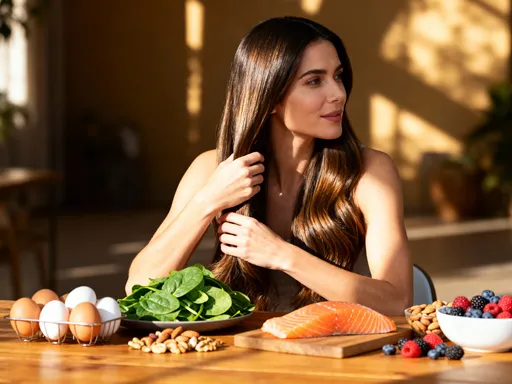
Once I accepted that my diet needed an overhaul, I didn’t jump into extreme changes. Instead, I focused on gradual, sustainable shifts—replacing processed foods with whole, nutrient-dense options. My breakfast used to be a bagel with cream cheese or a sugary cereal. Now, I start most days with two eggs—scrambled with spinach and tomatoes, or boiled and paired with avocado on whole grain toast. Eggs are rich in protein, biotin, and selenium, all of which support hair structure. Adding spinach boosts iron and folate, while avocado delivers healthy fats that help absorb fat-soluble vitamins.
Snacks used to mean cookies or chips. Now, I reach for a small handful of almonds, walnuts, or pumpkin seeds. These are not only satisfying but packed with zinc, vitamin E, and omega-3s. I also began incorporating chia or flaxseeds into yogurt or smoothies—tiny additions with big benefits for scalp health. Lunch shifted from pre-packaged meals to bowls of lentils or chickpeas with roasted sweet potatoes, kale, and a lemon-tahini dressing. Lentils provide plant-based protein and iron, while colorful vegetables offer antioxidants that protect hair follicles from damage.
Dinner became more intentional. I now aim to include a quality protein source like salmon, chicken, or tofu at least four times a week. Fatty fish like salmon are rich in omega-3s, which studies suggest can improve hair density and reduce inflammation. On meatless nights, I rely on tofu, tempeh, or beans to maintain protein intake. I also made a habit of drinking more water throughout the day—aiming for at least eight glasses—and cutting back on sugary sodas and juices. Sugar can contribute to inflammation, which may negatively affect hair growth over time. These changes didn’t happen overnight, but within a few weeks, I noticed my energy improving, and eventually, so did my hair.
The Power of Protein and Why It’s Non-Negotiable
If hair is made of keratin, and keratin is made of protein, then protein becomes the cornerstone of any hair-supportive diet. Think of it as the building blocks—without enough bricks, you can’t construct a strong wall. When protein intake is too low, the body may slow hair growth or shift more follicles into the resting phase, leading to increased shedding. This is especially true during times of stress, illness, or rapid weight loss, when the body conserves protein for essential functions.
Many people assume that only meat-eaters get enough protein, but that’s a misconception. While animal sources like eggs, chicken, fish, and Greek yogurt are complete proteins—containing all essential amino acids—plant-based options can also meet needs when combined wisely. I began including more Greek yogurt into my routine, not just for its protein but also for its probiotics, which support gut health and, in turn, nutrient absorption. Legumes like lentils and black beans became staples, as did quinoa, one of the few plant foods that offers a complete protein profile.
Chia seeds, which I sprinkle on oatmeal or blend into smoothies, provide about 4 grams of protein per ounce, along with fiber and omega-3s. I also learned that balance matters—eating excessive protein without other nutrients won’t magically grow hair faster. The body can only use so much at once, and excess protein may be stored as fat or put strain on the kidneys. The goal isn’t perfection but consistency: aiming for a moderate amount of protein at each meal, distributed evenly throughout the day. After about three months of this approach, I noticed less shedding during showers and brushing. My hair felt thicker, and new growth at the roots seemed stronger and less prone to snapping.
Hidden Deficiencies That Sabotage Hair Health
One of the most eye-opening parts of my journey was learning that some nutrient deficiencies don’t announce themselves with obvious symptoms—at least not at first. Iron deficiency, for example, is common among women, especially those with heavy menstrual cycles. It doesn’t always show up as severe anemia; instead, it may present as fatigue, cold hands and feet, or brittle nails. Hair thinning can be one of the early signs, yet it’s often overlooked. I had always assumed I was eating enough iron—after all, I ate spinach and red meat occasionally—but I wasn’t aware that plant-based iron (non-heme) is less easily absorbed unless paired with vitamin C.
Zinc is another silent player. It helps regulate the oil glands around hair follicles and supports immune function. Too little zinc can lead to hair loss, but so can too much—supplementing without medical guidance can actually worsen the problem. I once considered taking a zinc supplement after reading online claims, but my doctor advised against it without a blood test. Instead, I focused on food sources like pumpkin seeds, chickpeas, and shellfish, which provide balanced amounts without risk of overdose.
Vitamin D, often called the “sunshine vitamin,” is another overlooked factor. Many people, especially those living in northern climates or spending most time indoors, have insufficient levels. Research has linked low vitamin D to alopecia and poor hair regrowth. Rather than popping supplements blindly, I asked my doctor for a blood test during my annual checkup. The results showed I was mildly deficient, so I began spending more time outdoors in daylight and added vitamin D–fortified foods like mushrooms and dairy to my diet. This experience taught me a valuable lesson: assumptions about nutrition can be misleading. Blood tests are the only reliable way to identify true deficiencies. Food should always be the first line of defense, with supplements used only when necessary and under professional guidance.
Foods That Fight Inflammation and Support Follicles
Inflammation is a natural immune response, but when it becomes chronic, it can disrupt nearly every system in the body—including hair growth. Scalp inflammation, often invisible to the eye, can interfere with the hair cycle, shorten the growth phase, and lead to thinning. While I didn’t have a visibly irritated scalp, I later learned that internal inflammation could still be affecting my follicles. This is where anti-inflammatory foods became a game-changer in my diet.
Berries—especially blueberries and strawberries—are rich in antioxidants like anthocyanins, which help neutralize free radicals and reduce oxidative stress in the body. I started adding a cup of berries to my breakfast or eating them as a snack. Fatty fish, particularly salmon, mackerel, and sardines, are high in omega-3 fatty acids, which have been shown in studies to reduce inflammatory markers. I aim to eat fatty fish at least twice a week, either grilled or baked with herbs and lemon.
Leafy greens like kale, Swiss chard, and spinach are not only iron-rich but also packed with antioxidants and anti-inflammatory compounds. Turmeric, a spice I began using more often in soups and stir-fries, contains curcumin, a powerful anti-inflammatory agent. I pair it with black pepper to enhance absorption. Green tea, which I now drink daily, contains catechins that may help block DHT, a hormone linked to hair loss in some individuals. Over time, I noticed my scalp felt less tight and itchy, and my hair seemed to shed less. While these changes were subtle at first, they added up—my scalp felt healthier, and my strands appeared more resilient.
Realistic Habits, Not Perfection
One of the biggest mistakes I almost made was aiming for a “perfect” hair-boosting diet. I considered juice cleanses and strict elimination plans, convinced that only extreme measures would work. But I quickly realized that such approaches are unsustainable and can even backfire. Rapid weight loss or nutrient imbalances from restrictive diets can trigger a form of hair shedding called telogen effluvium. The body interprets drastic changes as stress, and hair follicles respond by entering a resting phase.
Instead, I adopted a more balanced philosophy: consistency over perfection. I aim to eat nutrient-rich foods about 80% of the time, allowing room for flexibility. If I go out to dinner and order pasta, I don’t panic. If I crave chocolate, I enjoy a small piece without guilt. Deprivation only leads to rebound binges, which disrupt progress. The goal is long-term habit formation, not short-term fixes. I also learned to be patient. Hair grows slowly—about half an inch per month—so visible changes take time. It was around the four- to six-month mark that friends began commenting, “Your hair looks different—healthier, shinier.” That’s when I knew the effort was paying off.
Hair Health Is a Long-Term Investment
Looking back, my journey wasn’t about finding a magic food or a miracle supplement. It was about shifting my mindset—from chasing quick cosmetic fixes to nurturing my body from within. I stopped seeing hair health as a vanity project and started viewing it as a reflection of overall wellness. What I eat doesn’t just affect my hair; it affects my energy, mood, skin, and long-term health. The improvements in my hair became a visible sign of deeper, systemic change.
This isn’t to say that diet alone solves every hair concern. Genetics, hormonal shifts, medical conditions, and stress all play roles. But nutrition is a powerful lever—one that’s within our daily control. By focusing on whole foods, staying hydrated, and ensuring adequate intake of key nutrients, I gave my body the tools it needed to support stronger, shinier hair. I still use conditioner and protect my hair from heat, but now I know the real foundation lies in what I eat.
If you’re struggling with hair thinning, breakage, or lack of growth, consider looking beyond the bathroom cabinet. Reflect on your diet. Are you getting enough protein? Iron? Omega-3s? Instead of reaching for another serum, try adding a serving of fatty fish, a handful of nuts, or a spinach salad to your next meal. Small, steady choices compound over time. And remember, no single food will transform your hair overnight. But a consistent, balanced diet—rich in the nutrients your body actually needs—can create the internal environment for lasting change. Always consult with a healthcare provider before making major dietary changes, especially if you have underlying health conditions. Your hair’s health is worth the investment—one meal at a time.