How I Tracked My Recovery Without Guesswork — Science-Backed Rehab That Actually Works
Recovery isn’t just about time—it’s about tracking progress the smart way. After my injury, I realized guessing wasn’t enough. With health monitoring tools and science-based rehab training, I saw real improvements. This isn’t magic—it’s method. From heart rate trends to movement metrics, data changed my game. If you're rehabbing, you need this clarity. Let me show you how monitoring turns uncertainty into measurable wins—safely and effectively.
The Hidden Problem in Rehabilitation: Why Most People Guess Their Progress
Many individuals recovering from injury or surgery believe that healing is a passive process—something that simply unfolds over time with rest and patience. While rest is essential, recovery is not merely a waiting game. The truth is, without active tracking, many people unknowingly stall their progress or even risk re-injury. They rely on how they “feel” from day to day, mistaking temporary relief for true healing. A slight decrease in pain might be interpreted as readiness to resume normal activity, when in reality, underlying tissues may still be fragile and vulnerable. This subjective approach—what researchers call “symptom-based progression”—is one of the leading reasons why rehabilitation often takes longer than necessary or fails altogether.
Scientific studies have consistently shown that unmonitored rehab leads to inconsistent outcomes. A 2020 review published in the Journal of Orthopaedic & Sports Physical Therapy found that patients who followed structured, measurable recovery plans returned to daily activities 30% faster than those who relied on intuition alone. The gap was even wider among those with chronic conditions or post-surgical needs. Without data, small setbacks—like increased inflammation or declining sleep quality—go unnoticed until they become major setbacks. For example, a woman recovering from knee surgery might feel optimistic after walking unassisted for the first time. Encouraged, she increases her activity the next day, only to wake up with swelling and stiffness. Without tracking her exertion or joint mobility, she has no way of knowing what triggered the flare-up, making it difficult to prevent in the future.
The core issue lies in the human tendency to overestimate improvement. Pain perception is highly variable and influenced by mood, stress, and even the weather. A good night’s sleep can make a person feel 50% better, while a stressful day can amplify discomfort despite physical progress. This emotional noise clouds judgment. Objective monitoring removes this bias. It provides a clear, factual record of how the body is truly responding to rehab. Instead of asking, “Do I feel better?” the question becomes, “What does the data say?” This shift from emotion to evidence is the first step toward smarter, safer recovery.
What Is Science-Backed Rehabilitation Training? Breaking Down the Method
Science-backed rehabilitation is not a trendy fitness program or a one-size-fits-all exercise routine. It is a structured, evidence-based approach rooted in clinical research, biomechanics, and physiology. At its core, it follows a simple principle: healing is progressive, and each stage requires specific stimuli to promote tissue repair, restore function, and prevent setbacks. Unlike generic advice like “move more” or “take it easy,” science-based rehab uses measurable milestones to guide intensity, frequency, and type of activity. This ensures that the body is neither under-challenged nor overwhelmed—both of which can delay recovery.
One of the foundational concepts in evidence-based rehab is load progression. This refers to the gradual increase of stress placed on healing tissues, such as muscles, tendons, or joints. Too little load, and the tissue weakens; too much, and it becomes irritated or re-injured. The key is finding the “therapeutic window”—the optimal level of activity that promotes adaptation without causing harm. Research in tendon rehabilitation, for instance, shows that controlled, progressive loading leads to stronger collagen formation and faster return to function compared to rest alone. This principle applies across conditions, from rotator cuff injuries to lower back pain.
Another critical element is neuromuscular re-education—the process of retraining the brain and nervous system to control movement properly after injury. When a person limps due to a sprained ankle, the altered gait pattern can persist long after the injury has healed, leading to imbalances elsewhere in the body. Science-backed rehab includes targeted exercises that restore proper movement patterns, balance, and coordination. These are not random stretches or strength drills but carefully selected movements proven in clinical trials to improve motor control.
Additionally, movement quality is prioritized over quantity. It’s not about how many reps you can do, but how well you do them. Poor form under fatigue can reinforce bad habits and increase injury risk. That’s why professionals use slow, controlled exercises with real-time feedback—sometimes through video analysis or motion sensors—to ensure precision. The goal is not speed or intensity, but accuracy and consistency. By aligning rehab with scientific principles, individuals move from guessing to growing—building resilience step by measurable step.
Why Health Monitoring Changes Everything: From Feelings to Facts
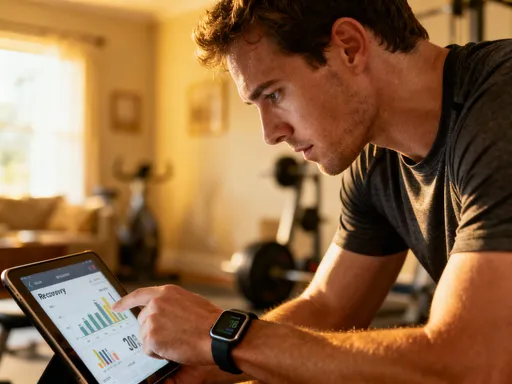
The transition from intuitive recovery to data-driven healing marks a turning point in rehabilitation. Health monitoring transforms invisible physiological processes into tangible, trackable insights. Instead of wondering, “Am I improving?” a person can look at trends in heart rate, sleep, mobility, and exertion to see real progress. The body communicates constantly through signals—resting heart rate slowing down, sleep efficiency improving, range of motion increasing—but these changes are often too subtle to notice without tools. Monitoring makes the invisible visible.
Resting heart rate (RHR) is one of the most reliable indicators of recovery status. When the body is under stress—whether from injury, inflammation, or overexertion—RHR tends to rise. Conversely, as healing progresses and the nervous system stabilizes, RHR gradually decreases. A person tracking this metric might notice their RHR dropped from 78 to 70 beats per minute over three weeks, signaling improved cardiovascular recovery. This kind of objective feedback reinforces patience and discourages premature overactivity.
Sleep quality is another powerful marker. Poor sleep disrupts tissue repair, increases pain sensitivity, and weakens immune function—all of which slow healing. Devices that track sleep stages, restlessness, and total sleep time help identify patterns. For example, a woman recovering from shoulder surgery might see that her deep sleep improves only when she performs prescribed evening mobility drills. This insight allows her to adjust her routine for better outcomes.
Movement metrics, such as step count, active minutes, or joint range of motion, provide direct feedback on physical function. A physical therapist might use a goniometer to measure knee flexion weekly, but at home, a person can use a simple video recording or a smartphone app to track progress. Seeing that knee bend improved from 90 to 115 degrees over two weeks offers concrete motivation. Studies have shown that patients who monitor their rehab metrics are 40% more likely to adhere to their programs and report higher satisfaction. Data doesn’t just inform—it empowers.
Tools That Work: Practical Ways to Monitor Your Recovery Journey
You don’t need expensive medical equipment to monitor recovery effectively. Many accessible, user-friendly tools can be integrated into daily life with minimal effort. Wearable fitness trackers—such as wrist-based devices that measure heart rate, sleep, and activity—are among the most practical options. They provide continuous data without requiring manual input, making them ideal for consistent tracking. Look for devices with validated accuracy in measuring resting heart rate and sleep stages, as these are most relevant to recovery.
Mobile apps also play a valuable role. Some are designed specifically for rehabilitation, offering guided exercises, pain logs, and progress charts. Others allow users to set custom tracking fields—like daily pain level on a 0–10 scale, minutes of stretching, or medication use. The key is consistency: entering data at the same time each day ensures reliable trends. Even a simple notebook or spreadsheet can serve as an effective tracking tool, especially for those who prefer low-tech solutions.
Journaling templates can enhance self-awareness. A structured daily log might include sections for pain level, mood, sleep quality, activities performed, and any setbacks. Over time, patterns emerge—such as increased stiffness after long periods of sitting or improved energy after gentle morning movement. These insights help refine the rehab approach. For example, a woman recovering from hip replacement might notice that her discomfort spikes when she skips her prescribed exercises, reinforcing the importance of consistency.
Smart scales, while often associated with weight management, can also support recovery by tracking body composition and fluid retention. Sudden weight gain could indicate inflammation or fluid buildup, especially after surgery. However, the focus should remain on trends over time, not daily fluctuations. The goal is not to obsess over numbers but to use them as early warning signs.
When choosing tools, prioritize ease of use and reliability over advanced features. A complicated system that feels burdensome will likely be abandoned. Start small—track one or two key metrics—and build from there. The best monitoring system is the one you’ll actually use every day.
What to Track and When: A Timeline-Based Monitoring Framework
Recovery is not a straight line; it unfolds in phases, each with distinct goals and risks. Aligning monitoring with these stages ensures that the right metrics are tracked at the right time. The three primary phases are acute (0–2 weeks post-injury), subacute (2–6 weeks), and functional (6 weeks and beyond). Each requires different focus, and adjusting tracking accordingly maximizes effectiveness.
During the acute phase, the priority is reducing inflammation and protecting healing tissues. Key metrics include pain level, swelling, and rest patterns. Monitoring resting heart rate is especially useful, as elevated levels can indicate systemic stress. Sleep duration and quality should also be tracked, as poor sleep can delay healing. At this stage, movement metrics should be minimal—focus is on gentle, prescribed motions rather than activity volume. A checklist might include: performed gentle ankle pumps, used ice as directed, rested for 30 minutes every 2 hours.
In the subacute phase, tissue repair accelerates, and controlled loading begins. This is when range of motion, strength, and daily activity levels become critical to track. A person might log how far they can bend their knee or how long they can stand without discomfort. Heart rate variability (HRV), if available, can offer insight into nervous system recovery—higher HRV indicates better resilience. The goal is steady, gradual improvement without spikes in pain or fatigue. Weekly comparisons help identify trends and adjust exercise intensity.
The functional phase focuses on returning to normal activities and building endurance. Now, tracking shifts to stamina, balance, and functional movements—like climbing stairs or carrying groceries. Activity logs become more detailed, noting duration, intensity, and any compensatory movements. For example, a woman recovering from a back injury might track how many times she bends properly versus using her spine incorrectly. Celebrating micro-wins—like walking an extra block or standing longer while cooking—reinforces progress and motivation.
Throughout all phases, red flags should be monitored closely: sudden increases in pain, swelling, or resting heart rate, or declines in sleep quality. These may indicate overexertion or complications. A timeline-based framework turns monitoring into a proactive tool, not just a record-keeping exercise.
Common Mistakes and How to Avoid Them: Staying on Track Without Overdoing It
Even with monitoring, recovery can go off course if data is misinterpreted or misused. One of the most common mistakes is overreacting to a single data point. For example, a slightly elevated resting heart rate one morning might trigger anxiety, leading to unnecessary inactivity. But RHR naturally fluctuates due to hydration, stress, or caffeine. The key is to look at trends over time, not isolated readings. Similarly, a “good day” with low pain might tempt someone to do too much, only to face a setback the next day. Data should guide decisions, not dictate them in isolation.
Another pitfall is data obsession. Some individuals become so focused on numbers that they lose sight of how they actually feel. They might skip rest because their step count is low, or push through pain because their heart rate is “in the safe zone.” This rigid mindset contradicts the purpose of monitoring, which is to support balance, not create new stress. The body’s signals—fatigue, stiffness, mood—still matter. Data and self-awareness should work together, not compete.
Ignoring context is another frequent error. A drop in sleep quality could be due to recovery stress—or a child being sick, or work pressure. Without considering life circumstances, a person might wrongly attribute changes to their rehab. This is why journaling alongside metrics is so valuable. It provides the full picture. Additionally, stopping monitoring too soon is a risk. Once symptoms improve, many people abandon tracking, only to relapse weeks later. Continuing for several weeks after full recovery helps solidify gains and detect early signs of recurrence.
The best approach is balanced and flexible. Use data to inform, not control. Consult with healthcare providers regularly—your physical therapist or doctor can help interpret trends and adjust your plan. Remember, monitoring is a tool for empowerment, not perfection. Progress, not flawlessness, is the goal.
Putting It All Together: Building Your Personalized Rehab Plan
The ultimate aim of health monitoring and science-backed rehab is to create a personalized, sustainable recovery plan. This begins with setting clear, realistic goals—such as walking without a limp, returning to gardening, or playing with grandchildren without pain. Goals should be specific, measurable, and time-bound. Instead of “get better,” aim for “increase knee flexion to 120 degrees within six weeks.”
Next, choose 2–3 key metrics to track based on your injury and phase of recovery. For early-stage rehab, focus on pain, rest, and basic movement. Later, add activity volume and quality. Select tools that fit your lifestyle—whether a wearable, app, or paper log—and commit to daily tracking. Set a routine, like logging data after breakfast or before bed, to build consistency.
Weekly reviews are essential. Sit down with your data and look for patterns. Are pain levels decreasing? Is sleep improving? Are you meeting your activity targets? Adjust your exercises accordingly—maybe increase reps, add a new stretch, or take an extra rest day. Share your logs with your healthcare provider to get professional feedback. This collaboration ensures that your plan stays safe and effective.
Finally, remember that recovery is not just about returning to where you were—it’s about building a stronger, more resilient body. The habits formed during rehab—daily tracking, mindful movement, listening to your body—can become lifelong practices. Health monitoring isn’t just for injury; it’s a skill for long-term well-being. By combining science, data, and self-awareness, you turn recovery from a guessing game into a guided journey—one where every step forward is seen, valued, and celebrated.