What If Aging Wasn't Something to Fear—But to Rethink Completely?
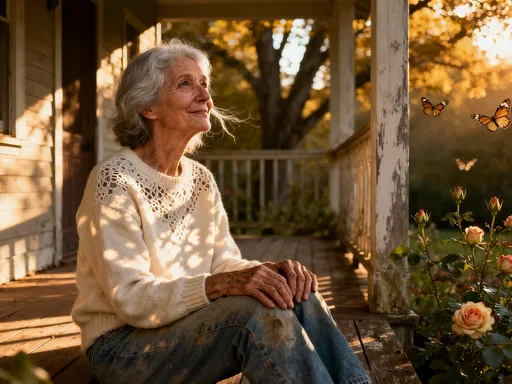
Aging isn’t the enemy—our mindset about it might be. For years, I chased quick fixes, only to realize real anti-aging starts with awareness. It’s not about looking younger overnight, but living better, longer. Science shows our daily choices shape how we age. This is a deeper look at shifting from fear to empowerment—because health consciousness changes everything.
The Myth of “Fighting” Aging
For decades, society has framed aging as an adversary to be defeated. Advertisements promise wrinkle-free skin, energy boosts, and youthfulness through potions, procedures, and restrictive diets. This narrative positions aging as a decline—a slow loss of beauty, strength, and relevance. But this mindset creates more harm than good. When aging is seen as a battle, every gray hair or tired morning becomes a personal failure. The pressure to resist natural change often leads to anxiety, shame, and an obsession with external appearances rather than internal well-being.
What if, instead, we stopped fighting and started listening? Aging is not a disease. It is a continuous, lifelong process that begins at birth and unfolds with time. Every stage brings transformation—some visible, some subtle. Rather than resisting it, the key lies in understanding it. Shifting from a battle mentality to one of awareness and care allows us to make choices that support long-term vitality. This is where health consciousness becomes essential. It’s the quiet recognition that how we eat, move, rest, and think today shapes how we feel tomorrow—and ten years from now.
Health consciousness isn’t about perfection. It’s about attention. It means noticing when your energy dips after certain meals, recognizing how stress tightens your shoulders, or realizing that skipping sleep affects your mood the next day. These small observations form the foundation of sustainable well-being. When we stop seeing aging as the enemy and instead view it as a process we can influence with intention, we reclaim power. We move from fear to agency. And that shift changes everything.
Why Your Cells Age (And What Actually Slows It)
At the most fundamental level, aging happens in our cells. Every heartbeat, breath, and movement relies on trillions of microscopic units working in harmony. Over time, these cells experience wear and tear. Two key players in this process are telomeres and oxidative stress. Telomeres are protective caps at the ends of our chromosomes, like the plastic tips on shoelaces. Each time a cell divides, these caps shorten. When they become too short, the cell can no longer divide and may become dormant or die. This natural shortening is linked to aging and age-related conditions.
Oxidative stress is another major factor. It occurs when there’s an imbalance between free radicals—unstable molecules produced during normal metabolism—and antioxidants, which neutralize them. Too many free radicals can damage cells, proteins, and DNA. This damage accumulates over time and contributes to the aging process. Inflammation, particularly chronic low-grade inflammation, also plays a role. While acute inflammation helps the body heal, long-term inflammation is associated with a range of health challenges as we age.
The encouraging news is that these biological processes are not fixed. Lifestyle choices significantly influence them. Research shows that people who maintain healthy habits tend to have longer telomeres, better antioxidant defenses, and lower levels of inflammation. Sleep, for example, supports cellular repair. Chronic stress accelerates telomere shortening, while mindfulness and relaxation techniques may help protect them. Diet also matters—foods rich in antioxidants, such as berries, leafy greens, and nuts, help combat oxidative stress. Physical activity improves circulation, reduces inflammation, and supports metabolic health.
The takeaway is not that we can stop aging, but that we can slow its pace in meaningful ways. Extreme interventions like unproven supplements or drastic diets are not the answer. Instead, it’s the small, consistent choices—choosing water over sugary drinks, walking after meals, prioritizing rest—that add up. These habits don’t promise immortality, but they do support a longer period of healthy, functional living. That’s the real goal: not just adding years to life, but life to years.
The Wake-Up Call: When I Started Paying Attention
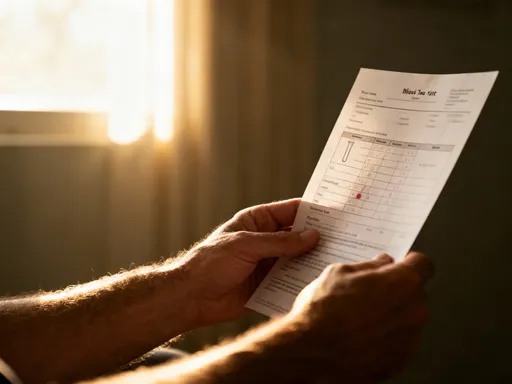
For a long time, I ignored the signals my body was sending. I chalked up constant fatigue to a busy schedule. Slow recovery after minor illnesses seemed normal. Occasional joint stiffness? Just part of getting older, I told myself. But then came the moment that shifted everything—a simple hike with family that left me breathless halfway up the trail. I wasn’t out of shape, or so I thought. But my body was clearly saying something my mind had been ignoring.
That experience wasn’t a medical emergency, but it was a wake-up call. I realized I had been treating my body like a machine that could run indefinitely without maintenance. I had been reactive, not proactive. I waited for problems to arise before addressing them, rather than building habits that could prevent them. The shift wasn’t dramatic—it didn’t involve a complete lifestyle overhaul or a doctor’s dire warning. It was quieter, more personal. It was the decision to start listening.
I began paying attention to how I felt after different meals, how my energy changed with sleep quality, and how my mood improved when I spent time outdoors. I noticed that on days I moved my body—even briefly—I felt more alert and less stiff. I realized that stress wasn’t just in my head; it showed up in my body as tension, disrupted sleep, and digestive discomfort. These observations weren’t about diagnosing anything, but about building awareness.
This emotional shift—from dismissal to curiosity—was transformative. I stopped seeing my body as something to fix and started seeing it as something to care for. I didn’t need to fear aging. I needed to understand it. And that understanding began with paying attention. It’s a lesson anyone can learn, at any age. The body speaks in whispers before it shouts. The key is to listen early, not late.
The Daily Habits That Make a Real Difference
Real change doesn’t come from extreme diets or expensive treatments. It comes from the small, repeatable habits woven into daily life. These routines may seem minor on their own, but over time, they create a strong foundation for healthy aging. One of the simplest yet most powerful habits is staying hydrated. Water supports every bodily function—from digestion to circulation to temperature regulation. Dehydration can mimic signs of aging, such as fatigue, dry skin, and brain fog. Drinking water throughout the day, especially in the morning and between meals, helps maintain energy and clarity.
Movement is another cornerstone. You don’t need to run marathons or spend hours in the gym. “Movement snacks”—short bursts of activity—can be just as effective. A five-minute stretch after sitting, a walk around the block after lunch, or gentle yoga before bed all contribute to joint health, circulation, and mood. These micro-movements keep the body fluid and responsive. They also help regulate blood sugar, support heart health, and improve sleep quality. The goal isn’t intensity; it’s consistency.
Mindful eating is another impactful habit. It means paying attention to what you eat, how you eat, and how your body responds. Instead of eating quickly in front of a screen, try sitting at a table, chewing slowly, and noticing the flavors and textures of your food. This practice helps with digestion, prevents overeating, and strengthens the connection between mind and body. Choosing whole, nutrient-dense foods—like vegetables, fruits, whole grains, lean proteins, and healthy fats—provides the building blocks cells need to function well.
Finally, a digital detox can have surprising benefits. Constant screen exposure increases mental fatigue, disrupts sleep, and contributes to stress. Setting boundaries—like no phones during meals, turning off notifications after 8 p.m., or spending time each day without screens—creates space for calm and connection. These habits aren’t about rigid rules. They’re about creating a lifestyle that supports energy, resilience, and long-term well-being. Perfection isn’t the goal. Awareness and consistency are.
Mindset Matters More Than You Think
How you think about aging may be just as important as what you do to stay healthy. Research has shown that people who view aging positively tend to live longer, healthier lives. One well-known study followed individuals over decades and found that those with a positive perception of aging lived an average of 7.5 years longer than those with negative views—even after adjusting for factors like health status, socioeconomic level, and depression. This isn’t just about optimism. It’s about belief shaping biology.
When you believe that aging means decline, your body may respond accordingly. You might avoid physical activity for fear of injury, dismiss new learning opportunities as “too hard,” or withdraw socially. These behaviors can become self-fulfilling prophecies. On the other hand, when you see aging as a time of growth, wisdom, and continued possibility, you’re more likely to stay active, curious, and connected. This mindset fuels resilience.
Self-talk plays a powerful role. The way you speak to yourself—internally and aloud—shapes your experience. Replacing thoughts like “I’m too old for that” with “I can try this at my own pace” opens doors. Gratitude also strengthens a positive mindset. Taking time each day to reflect on what’s going well—good health, supportive relationships, small joys—shifts focus from loss to abundance. Purpose is another key element. Having goals, interests, and a sense of contribution gives life meaning and motivation, which are linked to better health outcomes.
None of this means ignoring the real challenges of aging. Joints may ache, energy may fluctuate, and health concerns may arise. But a healthy mindset doesn’t deny reality—it meets it with strength and adaptability. It’s the difference between saying “I can’t do that anymore” and “How can I do it differently?” That small shift in language reflects a deeper shift in power. You are not passively aging. You are actively shaping your experience.
The Hidden Role of Connection and Routine
Human beings are wired for connection and rhythm. These needs don’t disappear with age—they become even more important. Social bonds, daily routines, and time in nature all play a quiet but powerful role in how we age. Loneliness, for example, is not just an emotional state. Studies have shown it carries health risks comparable to smoking 15 cigarettes a day. Chronic loneliness is linked to higher levels of inflammation, weaker immune function, and increased risk of cognitive decline.
On the other hand, strong social ties are protective. Talking with friends, sharing meals with family, or participating in community activities supports mental and physical health. These interactions reduce stress, boost mood, and provide a sense of belonging. Even small connections—like a daily chat with a neighbor or a weekly phone call with a sibling—can make a difference. The quality of relationships matters more than quantity. Feeling seen, heard, and valued is what nourishes the spirit.
Daily routines also provide stability. The body thrives on predictability. Waking up and going to bed at consistent times, eating meals at regular intervals, and scheduling movement into the day all support circadian health—the body’s internal clock. This clock regulates everything from hormone release to body temperature to digestion. When it’s disrupted—by irregular sleep, late-night eating, or constant screen exposure—it can contribute to fatigue, weight gain, and mood imbalances.
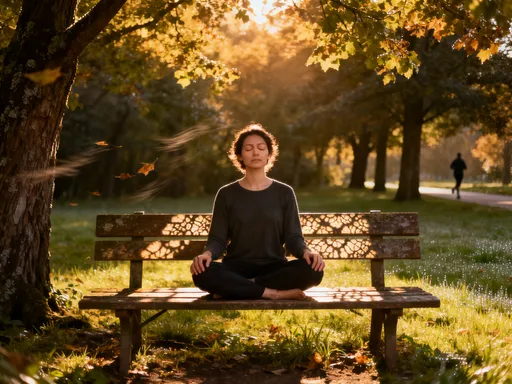
Nature, too, has a calming effect. Spending time outdoors, even briefly, lowers stress hormones, improves mood, and enhances focus. A walk in the park, gardening, or simply sitting under a tree can reset the nervous system. These experiences ground us, reminding us that we are part of something larger. Together, connection, routine, and nature form an invisible support system—one that doesn’t require money or effort, just presence and intention.
Building Your Own Anti-Aging Blueprint
There is no one-size-fits-all approach to healthy aging. What works for one person may not work for another. The most effective strategy is a personalized one—one that reflects your values, lifestyle, and goals. The first step is self-assessment. Take an honest look at your current habits. How is your energy? How do you sleep? What do you eat? How connected do you feel? You don’t need to change everything at once. Start with awareness.
Next, identify one or two areas where a small shift could make a big difference. Maybe it’s drinking more water, adding a short walk to your day, or setting a bedtime routine. Choose changes that feel manageable, not overwhelming. The goal is consistency, not perfection. Track your progress not with numbers on a scale, but with how you feel—more energy, better mood, improved sleep.
Design a plan that fits your life. If you’re busy, build habits into existing routines—stretch while the coffee brews, take phone calls while walking, prepare simple, healthy meals in advance. Make it easy to succeed. Celebrate small wins. Each positive choice reinforces the habit and builds confidence.
Remember, this is not about chasing youth. It’s about building a life that supports vitality at every age. And when health concerns arise, professional guidance is essential. Talk to your doctor, a registered dietitian, or a physical therapist. They can provide personalized advice based on your medical history and needs. Your blueprint should be flexible—adjusted as life changes, seasons shift, and priorities evolve. The goal isn’t to stop time, but to move through it with care, awareness, and purpose.
Aging Forward, Not Backward
True anti-aging isn’t about reversing time. It’s about moving through it with intention. The goal isn’t to look 25 again, but to feel strong, clear, and engaged at 55, 65, or 75. Aging is not a decline to be feared, but a journey to be lived well. Every choice—what you eat, how you move, who you connect with, how you think—shapes that journey.
Awareness is the first, most powerful step. When you begin to notice how your body responds to your habits, you gain insight. When you shift from fear to curiosity, you gain control. Health consciousness isn’t a trend or a phase. It’s a lifelong practice—one that grows deeper with time.
How we live today shapes how we age tomorrow. The habits we build now lay the foundation for the years ahead. It’s never too early—or too late—to start. Small, consistent choices create lasting change. And each one is an act of self-respect. So let’s stop fighting aging. Let’s start living with purpose, connection, and care. Because the best way to age isn’t backward. It’s forward—with courage, clarity, and grace.