How I Revived My Skin After Recovery — Simple Moves That Actually Work
You ever notice how your skin changes after being unwell or going through a tough recovery? Mine turned dull, dry, and super sensitive. I didn’t expect skincare to be part of healing — until I tried gentle, intentional routines that actually helped. No harsh products, no overdoing it. Just simple, thoughtful steps that supported my skin while my body healed. This isn’t about quick fixes, but real care. Here’s what worked for me — and why rehab-style skincare might be something you never knew you needed.
The Hidden Impact of Illness on Skin
Skin often bears silent witness to what the body endures during illness and recovery. After a prolonged period of poor health, many people notice their complexion losing its natural glow, becoming tight, flaky, or unexpectedly reactive. This shift isn’t merely cosmetic — it’s a sign of deeper physiological stress. During illness, the body redirects energy and resources to vital organs, often at the expense of skin health. Reduced blood flow, changes in hydration, and the side effects of medications can all contribute to a weakened skin barrier. For some, especially those managing chronic conditions or recovering from surgery, these changes may persist long after the primary illness has passed.
Medications, particularly those that affect hormones, circulation, or immune function, can alter the skin’s natural oil production and moisture balance. Diuretics may lead to dehydration, while corticosteroids — whether taken orally or applied topically — can thin the skin over time. Antibiotics, though essential in fighting infection, sometimes disrupt the delicate microbiome not just in the gut but on the skin as well, potentially leading to dryness, sensitivity, or even mild inflammatory responses. Even common over-the-counter pain relievers, when used frequently during recovery, can subtly influence skin tone and resilience.
Equally important is the impact of reduced physical activity. When movement is limited due to illness or convalescence, circulation slows, particularly in extremities and facial tissues. This means fewer nutrients and oxygen reach skin cells, slowing the natural process of renewal. The result is often a sallow or uneven complexion that feels less elastic. Recognizing these changes as part of the recovery process — rather than a separate or superficial issue — is the first step toward meaningful care. The skin, like any other organ, needs support to heal. Treating it with the same patience and attention given to muscle strength or lung capacity can make a significant difference in overall well-being.
Why Traditional Skincare Misses the Mark in Recovery
Most mainstream skincare routines are designed for people with stable health and resilient skin, not for those in the delicate phase of recovery. Aggressive treatments like chemical exfoliants, retinoids, or high-concentration actives can be too much for a body already under stress. These ingredients, while effective in certain contexts, work by creating controlled irritation to stimulate cell turnover. But when the immune system is compromised or the skin barrier is already weakened, this irritation can become real damage — leading to redness, flaking, and increased sensitivity.
Even seemingly harmless habits can backfire. Over-cleansing, for instance, strips away natural oils that the skin is struggling to produce. Hot water, fragranced soaps, and rough scrubbing tools may feel invigorating but can further compromise the protective lipid layer. Many commercial products contain alcohol, synthetic fragrances, or preservatives that may trigger reactions in sensitive, recovering skin. The irony is that people often reach for stronger products when they see their skin deteriorating, not realizing that the solution may lie in doing less, not more.
The principle of “less is more” becomes especially relevant during recovery. The goal should not be to correct imperfections quickly but to create a stable, supportive environment for healing. A routine that respects the body’s current limits — one that avoids unnecessary stressors — allows the skin to regain its natural balance over time. This doesn’t mean neglecting care; rather, it means redefining what care looks like. Instead of chasing radiance or youthfulness, the focus shifts to comfort, protection, and function. By stepping back from aggressive regimens, many find their skin begins to improve not despite the simplicity, but because of it.
Rehab Principles Applied to Skincare: What It Really Means
The concept of rehabilitation is rooted in gradual, consistent effort — rebuilding strength and function without overwhelming the body. Physical therapy, for example, doesn’t push patients to full capacity on day one. Instead, it begins with small, manageable movements, increases intensity slowly, and emphasizes listening to the body’s signals. This same philosophy can be powerfully applied to skincare during recovery. Just as muscles need time to heal after strain, the skin needs time to recover from the internal stresses of illness.
Rehab-style skincare centers on four core principles: gentleness, consistency, patience, and awareness. Gentle stimulation — such as light massage or the use of soft, hydrating products — encourages circulation without irritation. Consistency matters because results are cumulative; daily, simple actions build resilience over time. Patience is essential, as skin renewal cycles take weeks, and progress may be subtle. Awareness means paying attention to how the skin responds — noticing when it feels tight, when redness appears, or when it begins to feel more supple.
This approach shifts the focus from appearance to function. Instead of aiming for a flawless complexion, the goal becomes supporting the skin’s natural ability to protect, renew, and respond. Healthy skin is not just smooth or even-toned; it is resilient, well-hydrated, and capable of withstanding daily environmental challenges. By treating skincare as part of the body’s broader healing process, it becomes less about vanity and more about self-respect. It’s a way of saying, “I am worth the time it takes to heal properly.” This mindset doesn’t demand perfection — it honors progress, however small.
My 4-Step Daily Routine That Made a Difference
After experimenting with various products and methods, I settled on a simple four-step routine that aligned with my body’s needs during recovery. The key was consistency and gentleness — not frequency or complexity. Each step was designed to support, not challenge, my skin. The entire process takes less than ten minutes and uses only a few carefully chosen products and tools.
The first step is cleansing. I use a fragrance-free, non-comedogenic cleanser that removes impurities without stripping natural oils. I apply it with lukewarm water and my fingertips, avoiding any scrubbing. A soft cotton cloth, rinsed and wrung out, is used only if needed — never rubbed harshly. The goal is to refresh, not exfoliate. Over-cleansing was one of the first habits I had to unlearn; now, I cleanse only once at night, unless I’ve been outdoors in heavy pollution or sweat.
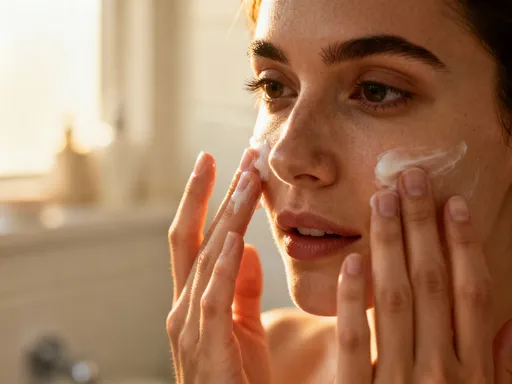
Step two is hydration. I apply a lightweight, hypoallergenic moisturizer immediately after cleansing while the skin is still slightly damp. This helps lock in moisture and reinforces the skin barrier. I look for formulas with minimal ingredients — ideally under ten — and avoid anything with fragrance, alcohol, or parabens. Ceramides, hyaluronic acid, and glycerin are ingredients I’ve found especially supportive, as they mimic the skin’s natural components. I apply it with gentle pressing motions, never tugging or pulling.
The third step is protection. Even indoors, I apply a mineral-based sunscreen with SPF 30 every morning. UV exposure can worsen sensitivity and delay healing, so daily protection is non-negotiable. I choose zinc oxide-based formulas because they are less likely to irritate reactive skin. This step is not about preventing wrinkles — it’s about shielding compromised skin from additional stress.
The final step is stimulation through light facial massage. Using clean fingertips, I apply gentle upward strokes along the jawline, cheeks, and forehead. This takes less than two minutes but improves circulation and helps reduce puffiness. I do this while applying moisturizer, turning skincare into a moment of mindful connection with my body. No special tools are needed — just clean hands and intention. This routine doesn’t promise dramatic transformations, but over weeks, I noticed my skin felt calmer, looked more even, and responded better to environmental changes.
The Role of Movement and Circulation in Skin Recovery
Skin health is deeply connected to circulation. When blood flows freely, it delivers oxygen and nutrients to skin cells while carrying away waste products. During recovery, especially when mobility is limited, circulation can slow, particularly in the face and extremities. This contributes to a tired, dull appearance and slower healing. Incorporating even minimal movement into daily life can make a meaningful difference.
I began with simple practices: gentle neck rolls, shoulder shrugs, and light facial stretches — all done while seated. These small movements stimulate blood flow to the face, encouraging a natural glow. I also added short walks around the house or garden, even if only for five minutes at a time. The combination of fresh air and light activity improved my overall energy and, noticeably, my skin’s tone.
Facial massage, as part of my skincare routine, became a powerful tool. Using upward and outward motions, I applied light pressure along the jaw, temples, and under the eyes. This not only felt soothing but also helped reduce fluid retention and improve lymphatic drainage. I didn’t use oils or tools — just clean fingers and a slow, deliberate rhythm. Over time, I noticed less puffiness in the mornings and a more defined facial contour. Science supports this: increased microcirculation enhances cellular turnover and supports collagen production, both critical for skin repair. Movement, in whatever form is possible, becomes an act of care — not just for the body, but for the skin as well.
Mindset Matters: Patience, Progress, and Realistic Expectations
One of the most challenging aspects of recovery is letting go of expectations. In a culture that values speed and perfection, it’s easy to feel frustrated when healing takes time. I had to reframe my relationship with my skin — not as something to fix, but as a reflection of my body’s journey. Instead of measuring progress by how smooth or bright my complexion looked, I began to notice smaller, quieter signs of improvement: less tightness after washing, reduced redness, a return of natural warmth.
Tracking these subtle changes helped me stay committed to a gentle routine. I kept a simple journal, not to obsess, but to acknowledge progress. Writing down observations like “skin felt comfortable today” or “no itching after moisturizing” reinforced that healing was happening, even if it wasn’t dramatic. This shift in mindset — from chasing results to honoring the process — reduced stress, which in turn benefited my skin. Stress hormones like cortisol can exacerbate inflammation and delay healing, so finding peace with the pace of recovery was not just emotional self-care, but physical care as well.
Caring for my skin became a daily ritual of self-respect. In moments when I felt weak or discouraged, this small act reminded me that I was still worthy of care. It wasn’t about looking good for others; it was about feeling human again. Over time, the ritual itself became healing — a quiet moment of presence in a day often filled with medical appointments, fatigue, and uncertainty. Skincare, in this context, was never vanity. It was a quiet declaration: I am here, and I am tending to myself.
When to Seek Professional Advice — And Why It’s Smart
While a gentle, intentional routine can support skin recovery, it’s important to recognize when changes may require professional evaluation. Persistent rashes, unexplained dryness, sudden pigmentation shifts, or areas of irritation that don’t improve with basic care could indicate an underlying condition. These signs shouldn’t be ignored or self-treated with over-the-counter products that may worsen the issue.
Consulting a dermatologist or healthcare provider is a responsible step, not a failure. They can help distinguish between normal post-illness skin changes and conditions that need targeted treatment, such as eczema, psoriasis, or medication-related reactions. In some cases, a referral to a rehabilitation specialist or occupational therapist may also be beneficial, especially if mobility or dexterity is limited and affects the ability to care for the skin.
It’s also wise to discuss any new skincare routine with a doctor, particularly if you’re on medication or managing a chronic condition. Some ingredients, even in natural or “gentle” products, can interact with treatments or affect healing. Professional guidance ensures that your routine complements — rather than complicates — your recovery. Remember, self-care includes knowing when to ask for help. A simple skincare routine can be powerful, but it’s not a substitute for medical care when needed.
Wrapping up the journey — how treating skin with rehab-style care brought more than visible changes. It was about honoring the body’s pace, building small acts of self-respect, and realizing that healing is holistic. Skincare became less about looking good and more about feeling cared for. A simple shift — but one that made all the difference.