What I Learned About Healing My Smile After Years of Neglect
You don’t realize how much oral health affects your life until something goes wrong. I ignored my gums for years—until pain, sensitivity, and bad breath became impossible to overlook. After seeing a dental specialist, I discovered that recovery isn’t just about fixing damage, but rebuilding habits. This journey taught me that oral rehabilitation is more than procedures—it’s consistency, awareness, and small daily choices that truly restore function and confidence. What began as a personal wake-up call evolved into a deeper understanding of how interconnected our oral health is with overall well-being, self-esteem, and daily comfort. Healing a neglected smile is not a quick fix, but a thoughtful, science-backed process that rewards patience and persistence.
The Hidden Crisis: When Oral Health Starts to Fail
Many people dismiss early warning signs in their mouths as minor inconveniences. Bleeding when brushing, a slight sensitivity to cold drinks, or occasional bad breath are often brushed aside—literally and figuratively. Yet these are not random occurrences; they are signals from the body that something is amiss beneath the surface. Gingivitis, the earliest stage of gum disease, is characterized by red, swollen gums that bleed easily. It is caused by the accumulation of plaque, a sticky biofilm of bacteria that forms on teeth. At this stage, the condition is reversible with improved oral hygiene and professional cleaning. However, when left unaddressed, gingivitis can progress to periodontitis, a more severe form of gum disease that affects the supporting structures of the teeth, including the bone.
One of the most insidious aspects of gum disease is its silent progression. In many cases, there is little to no pain during the early and even moderate stages. This absence of discomfort leads individuals to delay seeking care, often until irreversible damage has occurred. By the time pain or tooth mobility appears, significant bone loss may already be present. According to the Centers for Disease Control and Prevention (CDC), nearly half of adults aged 30 and over in the United States have some form of periodontal disease, with prevalence increasing with age. Among adults over 65, the rate climbs to over 70 percent. These statistics underscore a widespread public health issue that often goes unnoticed until it becomes a crisis.
Persistent bad breath, or halitosis, is another frequently ignored symptom. While occasional morning breath is normal, chronic bad breath can indicate underlying periodontal infection. The bacteria responsible for gum disease produce volatile sulfur compounds that create an unpleasant odor. Similarly, increasing tooth sensitivity may signal gum recession, where the protective gum tissue pulls away from the tooth, exposing the root surface. Unlike enamel, root surfaces are not covered by a hard protective layer and are therefore more sensitive to temperature, touch, and acidic foods. These signs—bleeding, bad breath, sensitivity—are not isolated issues but interconnected symptoms of a compromised oral environment.
Ignoring these early warnings can lead to a cascade of complications. As periodontitis advances, pockets form between the teeth and gums, allowing bacteria to colonize deeper tissues. The body’s immune response to this chronic infection can trigger inflammation that not only destroys gum and bone tissue but may also contribute to systemic health problems. Research has linked periodontal disease to an increased risk of cardiovascular disease, diabetes complications, and adverse pregnancy outcomes. The mouth, far from being a separate entity, is a gateway to the rest of the body. Thus, the hidden crisis of failing oral health is not just about aesthetics or comfort—it is a foundational aspect of long-term wellness that demands attention before symptoms become debilitating.
Understanding Oral Rehabilitation: Beyond Just Teeth
When most people think of dental care, they envision cleanings, fillings, or perhaps cosmetic improvements like whitening or veneers. However, oral rehabilitation represents a more comprehensive and functional approach to restoring oral health. It is not merely about repairing damage or enhancing appearance; it is about reestablishing the mouth’s ability to perform essential functions such as chewing, speaking, and maintaining proper jaw alignment. For individuals who have experienced years of neglect, oral rehabilitation becomes a structured process of assessment, intervention, and long-term maintenance aimed at returning the oral system to optimal health and function.
At its core, oral rehabilitation addresses the interplay between teeth, gums, jaw joints, and supporting bone structures. When gum disease or tooth loss disrupts this balance, it can lead to difficulties in eating, changes in speech, and even facial collapse over time due to bone resorption. For example, missing teeth can cause adjacent teeth to shift, altering bite patterns and increasing the risk of further decay or trauma. Similarly, advanced periodontitis can compromise the stability of remaining teeth, making everyday activities like biting into an apple a challenge. Rehabilitation seeks to correct these functional impairments through a combination of restorative and preventive strategies tailored to the individual’s needs.
This process often involves a multidisciplinary team of dental professionals. Periodontists specialize in treating gum disease and managing the supporting structures of the teeth. Prosthodontists focus on restoring and replacing missing teeth with crowns, bridges, or implants. Dental hygienists play a crucial role in both treatment and education, providing deep cleanings and guiding patients in effective home care. In complex cases, oral surgeons, orthodontists, or even speech therapists may be involved. The collaborative nature of oral rehabilitation ensures that all aspects of oral health are addressed in a coordinated manner, leading to more predictable and sustainable outcomes.
It is important to note that oral rehabilitation is not reserved only for those with severe damage. In fact, early intervention offers the best chance for successful recovery and can prevent the need for more invasive procedures later. Even individuals with mild to moderate gum disease can benefit from a rehabilitative approach that emphasizes tissue healing, infection control, and habit correction. The goal is not just to stop disease progression but to create an environment where the mouth can heal and remain healthy over time. By viewing oral health as a dynamic system rather than a collection of isolated parts, patients can achieve not only functional restoration but also renewed confidence in their smile and overall well-being.
Why Conventional Brushing Isn’t Always Enough
Brushing teeth twice a day is a cornerstone of oral hygiene, widely promoted by dentists and public health campaigns. However, while essential, brushing alone is insufficient for maintaining optimal gum health, particularly in areas that a toothbrush cannot effectively reach. The spaces between teeth and below the gumline—known as subgingival areas—are common sites for plaque accumulation and bacterial growth. Standard brushing techniques, especially when performed hastily or with improper form, often fail to disrupt biofilm in these critical zones. As a result, even individuals who brush regularly may still develop gum disease if they neglect interdental cleaning.
Biofilm, commonly referred to as dental plaque, is a complex microbial community that adheres to tooth surfaces. It begins to form within hours after brushing and, if not removed, matures into a more resistant structure that is difficult to eliminate. The key to controlling biofilm is mechanical disruption—physically breaking up the bacterial colonies—rather than relying solely on antimicrobial toothpastes or mouthwashes. While fluoride and antibacterial agents play supportive roles, they cannot penetrate established plaque without prior physical removal. This is why technique and thoroughness matter more than the frequency of brushing. A twice-daily routine that misses interdental spaces is less effective than a once-daily routine that includes comprehensive cleaning of all tooth surfaces.
To address these hard-to-reach areas, dental professionals recommend incorporating interdental cleaning tools into daily routines. Dental floss is one of the most widely used options, capable of sliding between teeth to remove plaque and food debris. For individuals with larger gaps or dexterity challenges, interdental brushes—small, cone-shaped brushes on flexible handles—can be more effective and easier to use. Water flossers, which use a stream of pulsating water to flush out debris and bacteria, have also gained popularity, particularly for those with braces, implants, or deep periodontal pockets. Clinical studies have shown that combining brushing with interdental cleaning significantly reduces gingival inflammation and bleeding compared to brushing alone.
Despite their benefits, many people skip interdental cleaning due to discomfort, lack of time, or uncertainty about proper use. However, with practice and the right tools, it can become a seamless part of the routine. For example, waxed floss glides more easily between tight teeth, while floss holders can assist those with limited hand mobility. The key is consistency and correct technique: gently curving the floss around each tooth in a C-shape and moving it up and down to clean the sides, rather than snapping it through the contact point. By expanding the definition of oral hygiene beyond the toothbrush, individuals can take meaningful steps toward preventing gum disease and supporting long-term oral rehabilitation.
The Role of Professional Treatments in Recovery
While daily home care is essential, professional dental treatments play a critical role in reversing damage and promoting healing, especially when gum disease has progressed beyond the early stages. One of the most common non-surgical interventions is scaling and root planing, often referred to as a deep cleaning. This procedure involves removing plaque and tartar from above and below the gumline (scaling) and smoothing the root surfaces (planing) to eliminate rough spots where bacteria can accumulate. By reducing the bacterial load and creating a clean environment, scaling and root planing help the gums reattach to the teeth, reducing pocket depth and inflammation.
For many patients, this treatment marks a turning point in their recovery. Clinical studies have demonstrated that scaling and root planing can lead to significant improvements in periodontal health, including reduced bleeding, decreased pocket depth, and improved clinical attachment levels. However, the success of the procedure depends not only on the skill of the dental professional but also on the patient’s commitment to follow-up care and improved home hygiene. Without consistent brushing, flossing, and regular maintenance visits, the benefits may be short-lived, and the disease can recur.
In cases where tissue and bone loss are extensive, restorative treatments become necessary to restore function and stability. Dental crowns may be used to strengthen teeth that have been weakened by decay or fracture. Bridges can replace one or more missing teeth by anchoring artificial teeth to adjacent natural teeth or implants. Dental implants, which consist of titanium posts surgically placed into the jawbone, offer a more permanent solution by mimicking the root of a natural tooth. These restorative options not only improve aesthetics but also prevent further complications such as tooth drift, bite misalignment, and additional bone loss.
The healing timeline following professional treatment varies depending on the severity of the condition and the type of procedure performed. After scaling and root planing, patients may experience some sensitivity and mild discomfort for a few days, but healing typically begins within weeks. For surgical interventions like bone grafts or implant placement, the recovery process can take several months, during which the body regenerates tissue or integrates the implant with the bone. Patient responsibilities during this time include following post-operative instructions, maintaining excellent oral hygiene, avoiding smoking, and attending all follow-up appointments. Delaying professional care due to fear or financial concerns can lead to more complex and costly treatments down the line, underscoring the importance of early intervention.
Lifestyle Shifts That Accelerate Healing
Oral health does not exist in isolation; it is deeply influenced by broader lifestyle factors such as diet, smoking, stress levels, and systemic health conditions. When recovering from years of neglect, addressing these external influences can significantly enhance the body’s ability to heal and resist future damage. Smoking, for instance, is one of the most detrimental habits for gum health. It reduces blood flow to the gums, impairs the immune response, and masks early signs of disease by limiting bleeding—making it harder to detect problems until they are advanced. Quitting smoking has been shown to improve periodontal outcomes and increase the success rate of treatments like implants and grafts.
Diet also plays a pivotal role in tissue repair and inflammation control. A diet high in refined sugars and processed carbohydrates feeds harmful oral bacteria, accelerating plaque formation and acid production. In contrast, anti-inflammatory foods can support healing and strengthen the body’s defenses. Omega-3 fatty acids, found in fatty fish, flaxseeds, and walnuts, have been shown to reduce gingival inflammation. Leafy green vegetables like spinach and kale are rich in vitamins C and K, which support collagen production and gum integrity. Dairy products such as yogurt and cheese provide calcium and probiotics, which contribute to stronger teeth and a balanced oral microbiome. Staying well-hydrated is equally important, as saliva helps neutralize acids, wash away food particles, and maintain a healthy pH in the mouth.
Stress, though less directly visible, can also impair oral healing. Chronic stress weakens the immune system, making the body more susceptible to infections, including periodontal disease. It can also lead to behaviors such as teeth grinding (bruxism) or neglecting oral hygiene routines. Incorporating stress management techniques—such as mindfulness, regular physical activity, or sufficient sleep—can therefore have indirect but meaningful benefits for oral health. Additionally, systemic conditions like diabetes require special attention, as elevated blood sugar levels can slow tissue repair and increase the risk of infection. Coordinating care between dental and medical providers ensures that oral rehabilitation is aligned with overall health management.
Simple daily swaps can make a lasting difference. Choosing sugar-free gum sweetened with xylitol, for example, not only reduces sugar intake but also inhibits the growth of Streptococcus mutans, a primary bacteria responsible for tooth decay. Avoiding alcohol-based mouthwashes is another beneficial change, as they can dry out the mouth and disrupt the natural balance of oral flora. By aligning lifestyle choices with oral health goals, individuals create a supportive internal environment where healing can occur more efficiently and sustainably.
Building a Sustainable Routine: Habits That Last
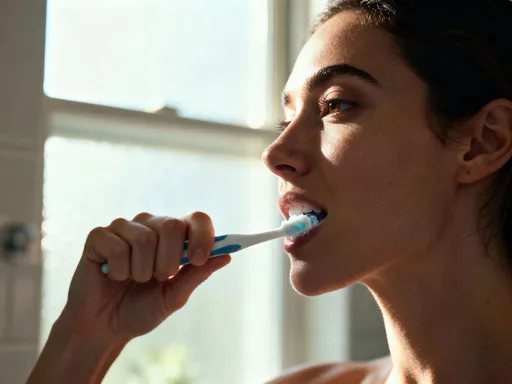
One of the greatest challenges in oral rehabilitation is maintaining consistency over time. Knowledge and intention are not enough; long-term success depends on embedding effective habits into daily life. A sustainable oral care routine goes beyond sporadic efforts and involves a structured sequence of actions performed with proper technique. The ideal daily regimen includes brushing with fluoride toothpaste for two minutes, cleaning between teeth using floss or interdental brushes, rinsing with an alcohol-free mouthwash if desired, and gently cleaning the tongue to reduce bacterial load. Performing these steps at consistent times—such as after breakfast and before bed—helps anchor them in memory and reduces the likelihood of skipping.
Timing also matters. Dentists recommend waiting at least 30 minutes after eating, especially after consuming acidic foods or drinks, before brushing. This is because acid softens enamel temporarily, and brushing too soon can cause erosion. Instead, rinsing with water or chewing sugar-free gum can help neutralize acids and stimulate saliva flow in the interim. This small adjustment protects tooth structure while still promoting cleanliness. Similarly, brushing before breakfast can prevent the spread of bacteria that accumulate overnight, though the most important factor is ensuring thorough cleaning at least twice per day.
Habit stacking—linking a new behavior to an existing routine—can increase adherence. For example, keeping floss on the bathroom counter next to the toothbrush or pairing tongue cleaning with the morning coffee ritual makes it easier to remember and integrate. Behavioral psychology suggests that habits are more likely to stick when they are simple, rewarding, and consistently repeated. Using reminders, such as phone alerts or habit-tracking apps, can provide external reinforcement during the initial stages of change. Over time, these actions become automatic, requiring less mental effort to maintain.
Choosing the right tools also contributes to long-term success. Electric toothbrushes with pressure sensors and timers can improve brushing effectiveness, especially for individuals who tend to brush too hard or for too short a duration. Ergonomic floss holders or water flossers may be more comfortable for those with arthritis or limited dexterity. The goal is not perfection but progress—finding a routine that is both effective and realistic for the individual’s lifestyle. When oral care feels manageable rather than burdensome, it is more likely to endure.
Prevention as Long-Term Rehabilitation
True recovery is not measured solely by the absence of disease but by the ability to maintain health over time. Prevention, in this context, is not a passive act of avoidance but an active commitment to preserving the gains achieved through rehabilitation. Regular dental check-ups every three to six months allow for early detection of potential issues through clinical examination, X-rays, and periodontal probing. Digital diagnostics have made it possible to monitor changes in bone levels and gum health with high precision, enabling timely interventions before minor problems escalate.
Patient education is a cornerstone of sustained oral health. Understanding the signs of recurrence, the importance of biofilm control, and the connection between oral and systemic health empowers individuals to take ownership of their care. Dental professionals play a vital role in this process by providing personalized guidance, demonstrating proper techniques, and addressing concerns in a supportive manner. When patients feel informed and involved, they are more likely to adhere to recommendations and maintain their routines.
Ultimately, the goal of oral rehabilitation is to make oral health invisible again—not because it is neglected, but because it is so well integrated into daily life that it no longer causes discomfort, embarrassment, or limitation. Regaining the ability to eat without pain, speak without self-consciousness, and smile with confidence transforms oral health from a medical concern into a source of quiet empowerment. It is a reminder that small, consistent actions, supported by professional care and informed choices, can rebuild what was once lost. Healing a neglected smile is not just about restoring teeth and gums—it is about reclaiming a fundamental aspect of quality of life.